
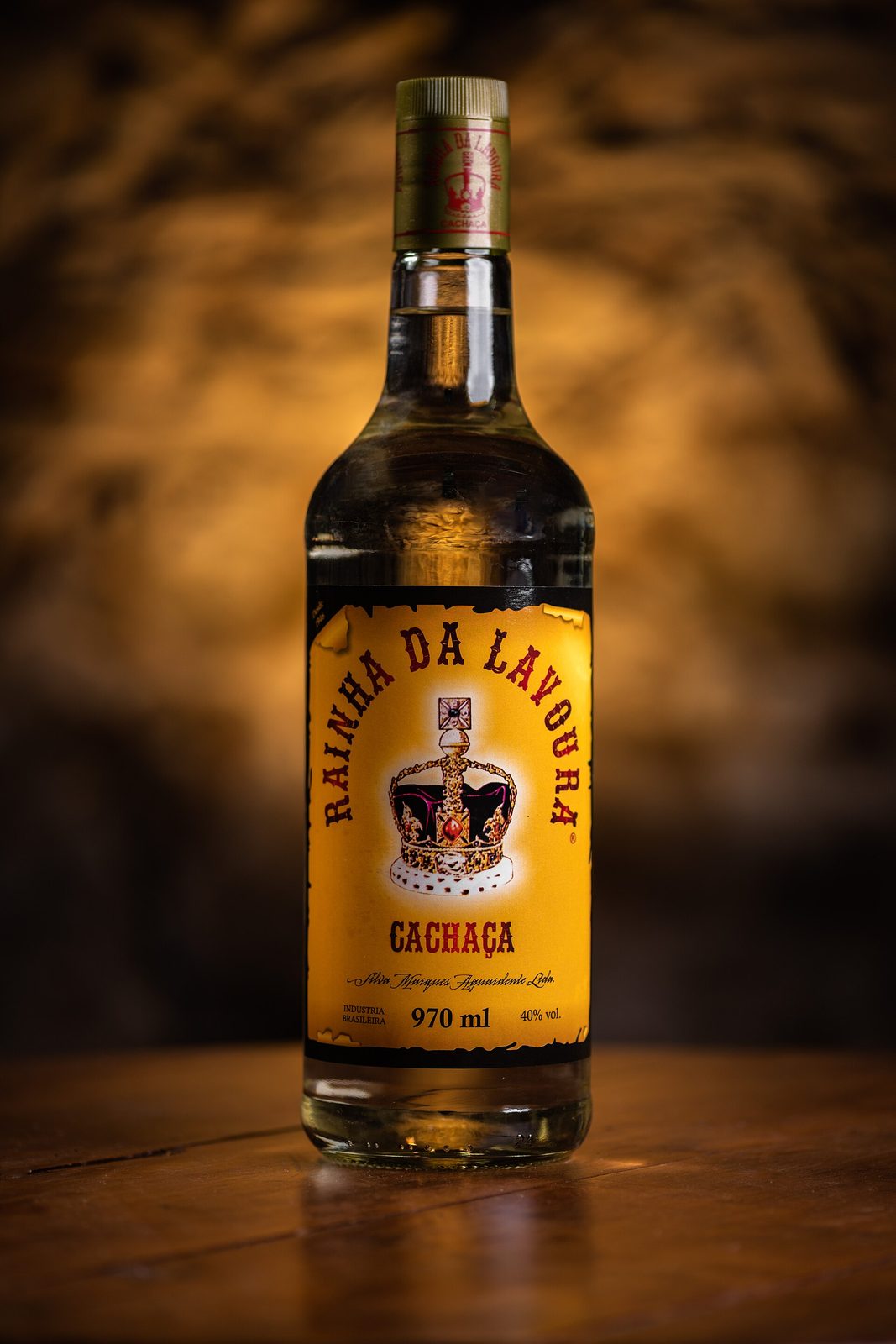
Long before Paraty was a place people came to for beaches and colonial streets, it was a place that made a spirit. Walk the old center on a warm afternoon and you can still read the story in the architecture: the wide doors built for barrels, the thick stone walls, the ghost of a working port that once shipped bottles up and down the Costa Verde and across the Atlantic. Cachaça is not a souvenir invented for tourists here. It is one of the reasons the town exists at all, and it is still made a short drive inland, in small distilleries where copper stills sit over wood fires and the smell of cooked sugarcane hangs in the air.
This guide is for the guest who wants to understand that tradition rather than just buy a bottle at the airport. We will walk through where cachaça came from in this corner of Brazil, what the spirit actually is and how it differs from rum, how the good stuff is made step by careful step, and which of the alambiques around Paraty open their doors to visitors. We will also cover the practical things: how to taste without embarrassing yourself, how to read a label, how to carry a bottle home, and the single most important rule of a distillery day, which is that the person who drives the mountain road back does not drink.
Take it slowly. Cachaça made well is a spirit of place, tied to a specific hillside, a specific cane, a specific family. It rewards curiosity and punishes hurry, which makes it a good match for the pace of the reserve.
The spirit that built a town
To understand cachaça in Paraty you have to start with sugar, and to understand sugar you have to start with gold. In the seventeenth and eighteenth centuries, the mountains of Minas Gerais gave up an astonishing quantity of gold, and much of it moved to the coast along a stone road that ended here. Paraty was the port where the wealth of the interior met the sea, and for a while it was one of the most important harbors in the Portuguese empire. That history is worth reading on its own terms, and we cover it in the guide to Brazil's gold cycle and Paraty's role in it, because the spirit trade grew directly out of it.
When the gold began to run out and the crown redirected the trade to other routes, the town needed another way to live. It found one in sugarcane. The warm, wet coastal climate suited the crop, and the same infrastructure that had shipped gold, the docks, the warehouses, the boats, could just as easily ship barrels. Sugarcane became sugar, and the byproducts and the juice became cachaça. Estates called engenhos, sugar mills, spread through the valleys, each with its own still. The spirit was cheap to make, easy to sell, and it traveled well.
For a long stretch, Paraty and cachaça were so tightly linked that the town's name became a synonym for the drink. Order a "paraty" in parts of Brazil a century ago and you were asking for a shot of sugarcane spirit, no matter where it was distilled. That is the kind of fame a place earns only by making something well for a very long time. The port declined when a mountain railway pulled the coffee trade north toward other harbors, and Paraty slipped into a long quiet that, ironically, preserved it. The colonial center survived because the town was too sleepy to tear it down. The stills kept running through all of it.
What cachaça actually is
Here is the sentence that clears up most of the confusion: cachaça is made by fermenting and distilling the fresh juice of pressed sugarcane. That is the whole definition, and it is also what sets it apart from most of the world's rum, which is usually made from molasses, the thick dark syrup left over after sugar is refined. Both come from cane. They are cousins. But the raw material is different, and so is the flavor.
Because cachaça starts with fresh juice rather than a refined byproduct, a good one tastes green and grassy and alive, with the vegetal sweetness of the cane still in it. There is a brightness to it that molasses rum rarely has. Brazilian law also draws the lines in ways worth knowing: cachaça is defined within a specific alcohol range and is, by definition, a Brazilian product. Distillers can add a small amount of sugar; above a certain threshold the label must say "sweetened." Below it, the spirit stands on the cane alone.
Branca and amarela
You will meet two broad families. Cachaça branca, sometimes called prata or silver, is unaged or rested only briefly in a neutral vessel. It is clear, sharp, and full of that fresh-cane character. This is the classic base for a caipirinha, where its edge is exactly what you want against lime and sugar and ice. Cachaça amarela, the golden or aged kind, has spent time in wooden barrels. It is softer, rounder, and carries color and flavor from the wood. This is the cachaça you sip slowly, neat, the way you might a good whiskey.
Artisanal and industrial
The other great divide is how it is made. Industrial cachaça is produced in tall continuous column stills, in enormous volume, and it is what fills most of the bottles on a supermarket shelf. Artisanal cachaça, the kind Paraty is known for, is made in batches in copper pot stills on small estates. It costs more and there is less of it, but it carries the fingerprint of a particular place and a particular maker. When people fall in love with cachaça, it is almost always the artisanal kind that does it.
The many names of a national spirit
Few drinks carry as many names as cachaça, and the list is a kind of history in itself. Brazilians have called it pinga, from the way the spirit drips from the still; caninha, a fond diminutive of cana, the word for cane; branquinha, little white one; and aguardente de cana, the plain legal term that means, roughly, burning water of the cane. Folklore holds that the country's regions and bars have coined hundreds more nicknames over the centuries, and that kind of affection is something you lavish only on a thing woven deep into daily life.
The affection was hard won. For much of its history cachaça was looked down on, a spirit associated with the poor, with plantation labor, and with the enslaved people who did the brutal work of the sugar mills. Colonial authorities taxed it, restricted it, and at times tried to suppress it in favor of wine and spirits shipped from Portugal. For a long stretch, polished society drank imported liquor and left cachaça to everyone else. To order it was, in some circles, to admit you could not afford better.
All of that has turned around. Over recent decades cachaça has been reclaimed as a point of national pride, the way tequila was in Mexico or whisky in Scotland. Artisanal producers have shown that a well-made pot-still cachaça belongs in the same conversation as any fine spirit, and a new generation of Brazilians drinks it neat and unashamed. The country now marks a national day for it, and the spirit is protected as a distinctly Brazilian product on the world stage. Paraty sits near the sentimental center of that revival, because this is one of the places that kept the tradition alive through all the lean years. When you sip an aged cachaça in the hills here, you are drinking something that has completed a long journey from the servants' table to the place of honor.
How artisanal cachaça is made
The process is old and, in its outlines, simple. What separates a great alambique from an ordinary one is the care taken at each step, and the willingness to throw away the parts that are not good enough. When you visit a distillery, this is the sequence you are watching, whether the guide spells it out or not.
It begins in the field. Sugarcane is a grass, and like any crop it has a season; the harvest here generally falls in the drier months. Good makers cut the cane by hand and press it quickly, because fresh juice begins to change the moment the stalk is cut. Speed matters. So does the choice of cane and the health of the soil, which is why some of the best small producers farm organically and treat their fields as carefully as their stills.
Pressing and fermentation
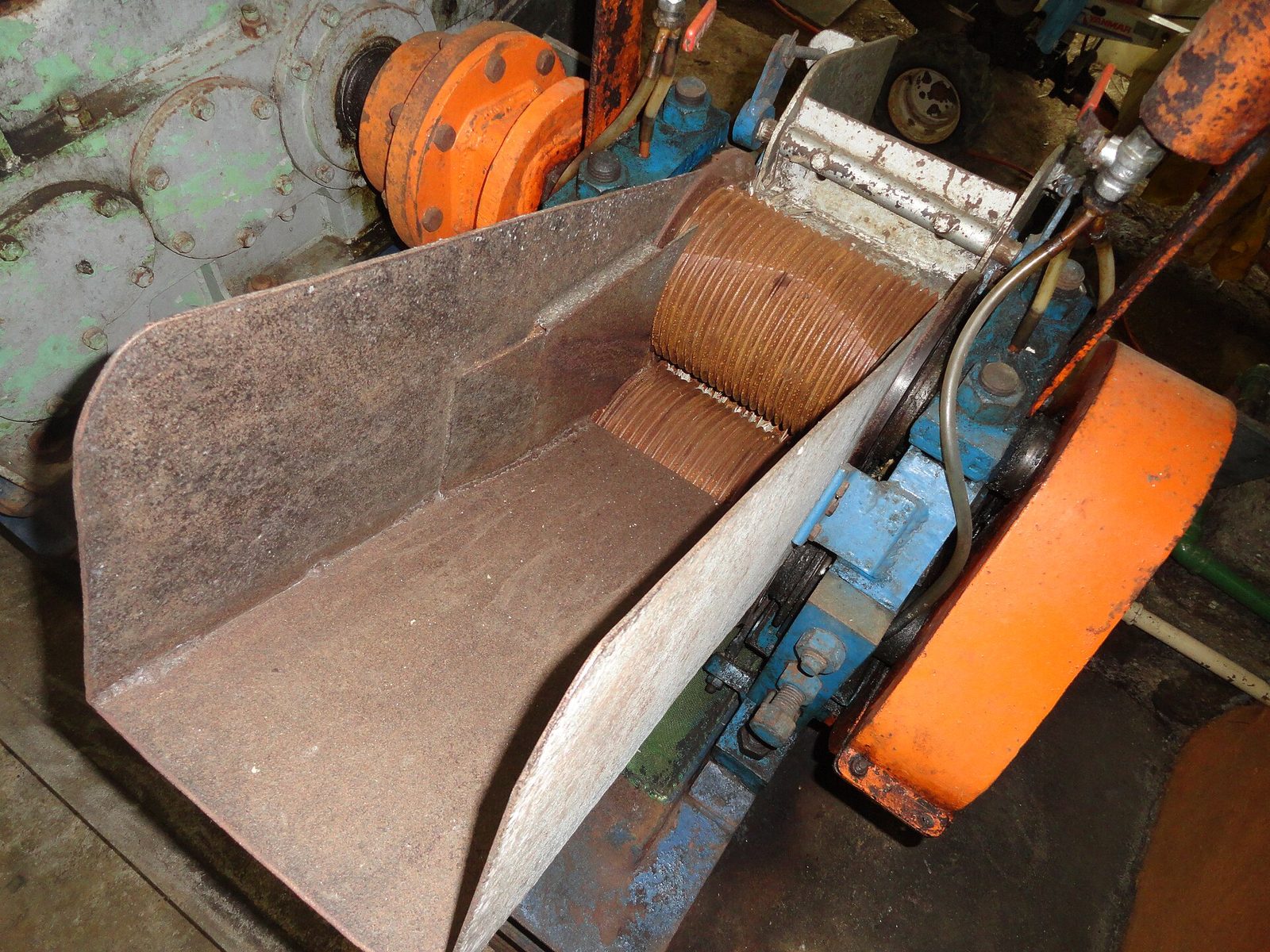
The cut cane goes through a mill that squeezes out the juice, a cloudy pale-green liquid called garapa or caldo. Fresh garapa is delicious on its own, sold at roadside stands across Brazil with a squeeze of lime. For cachaça, it is strained and moved into fermentation tanks, where yeast goes to work turning its sugars into alcohol. Artisanal makers often use natural or house yeast cultures rather than commercial strains, and those cultures become part of the estate's signature, as particular to a distillery as sourdough starter is to a bakery. Fermentation is quick, a matter of a day or so, and it has to be watched. Too fast, too hot, or too slow, and the flavors go wrong.
Distillation in copper
The fermented liquid, now a low-alcohol wine, is heated in the copper pot still. Copper is not a decoration here; it reacts with the vapor and strips out harsh sulfur compounds, which is a large part of why a well-made pot-still cachaça tastes clean. As the still runs, the distiller divides the flow into three parts. The first to come off, the head, carries volatile compounds and is set aside. The middle, the heart, is the good spirit, and it is the only part that goes into a fine cachaça. The tail that follows is cut away too. Deciding exactly where the heart begins and ends is judgment and experience, and it is where an artisanal maker earns the price of the bottle.
The middle cut, the heart of the run, is the only part that goes into a fine cachaça; everything before and after is set aside.
Resting and aging
Some of that heart is bottled young and clear as cachaça branca. The rest goes into wooden barrels to rest and age, and this is where Brazil does something the rest of the spirits world cannot easily copy. Alongside familiar oak, distillers here age cachaça in barrels made from native Brazilian woods, each of which gives the spirit a different character. Amburana lends warm notes of cinnamon and vanilla. Balsamo and jequitibá bring their own softer colors and flavors. The choice of wood, and the length of the rest, turns a clear young spirit into something with real depth. A cachaça aged three years in amburana is a different animal from the branca that came off the same still.
The alambiques around Paraty
The distilleries sit in the hills and valleys inland from the coast, tucked among banana groves and Atlantic forest along the roads that climb toward the mountains. Several of them welcome visitors, and a distillery visit is one of the most rewarding half-days you can spend here, part history lesson, part farm tour, part tasting. What follows is an orientation rather than a ranking; opening days and tour arrangements change with the season, so it is always worth a phone call or a word with the reserve's front desk before you set out.
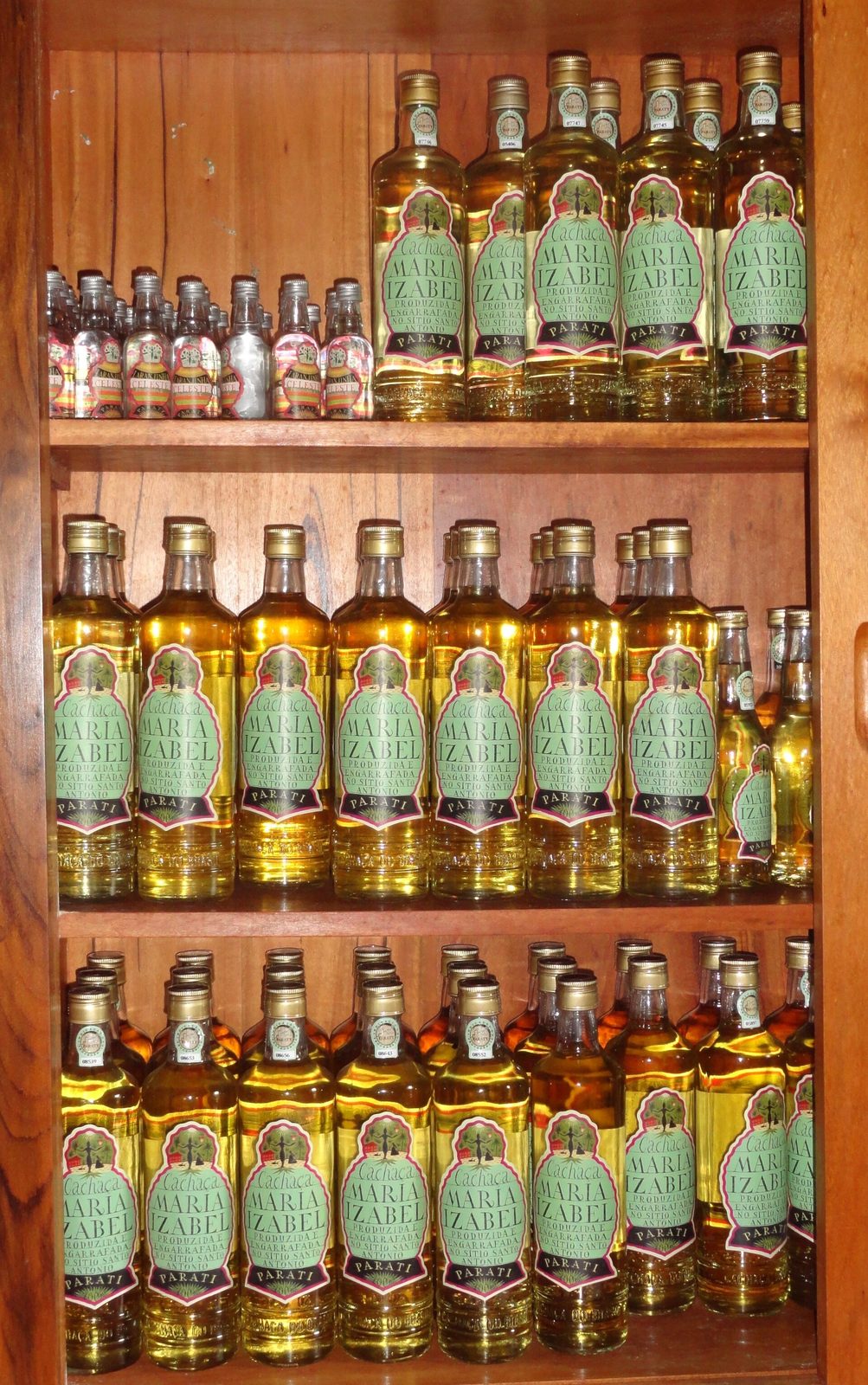
Engenho d'Ouro sits along the road toward Penha and the Tobogã waterfall, which makes it a natural pairing with a morning at the falls. Maria Izabel is one of the names people mention with real affection, a smaller producer known for care and consistency. Coqueiro, Pedra Branca, and Paratiana are other local names you will see on bottles and on signs along the inland roads. Each has its own character and its own way of receiving guests, from a quick tasting at a farm shop to a full walk through the mill and still house.
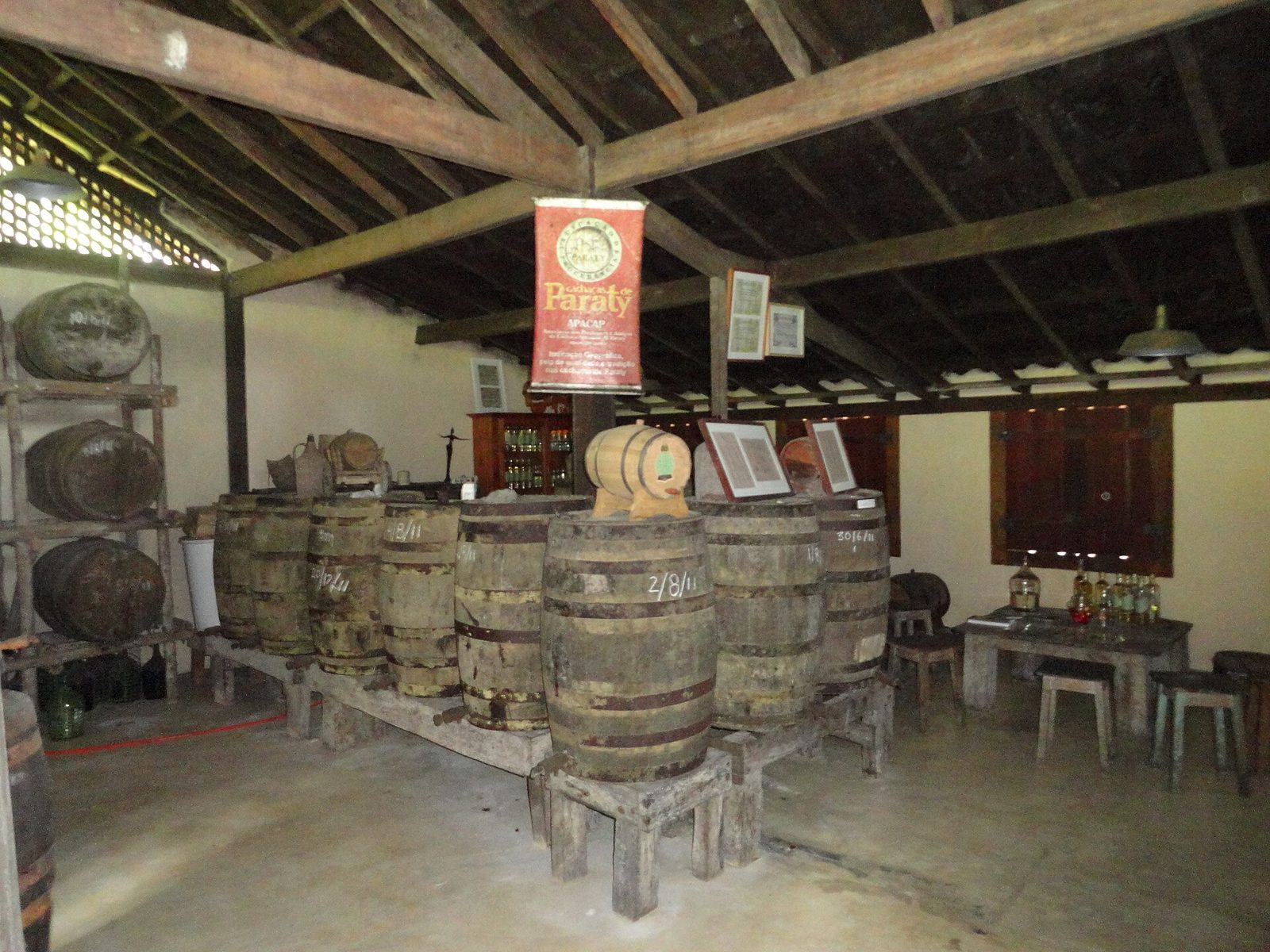
Rather than trying to see everything, pick one or two and go slowly. A good visit follows the spirit from field to bottle: a look at the cane, the mill, the fermentation tanks, the copper still, and the shadowy room where barrels rest. Then a tasting, ideally with someone who can tell you what you are drinking and why it tastes the way it does. Ask questions. The people who make artisanal cachaça tend to be proud of it and happy to explain, and a good guide will turn a shelf of bottles into a story. For a wider view of how these visits fit alongside beaches, waterfalls, and the historic center, the main Paraty orientation guide lays out the region, and our full set of local guides covers the rest.
What to expect on a distillery tour
A first visit to an alambique can feel a little unlike a polished tasting room, and that is part of the charm. Many of these are working farms rather than visitor attractions built for crowds, and the experience is closer to being shown around by a family proud of what they make than to a slick commercial tour. Knowing what to expect makes the day easier and more rewarding.
Call ahead, or ask the reserve's front desk to check, because opening days and hours vary and some producers receive visitors only at certain times or by arrangement. Mornings are often best, and the harvest and distilling season, in the drier months, is the liveliest time to see the mill and still actually running. Wear closed shoes and clothes you do not mind getting a little dusty, since the ground around a working mill can be wet and sticky with cane. Bring cash, as small producers may not take cards, and be ready to buy a bottle or two at the gate, where the selection is best and freshest.
A full tour usually walks the spirit from field to bottle. Along the way you can expect to see:
- The cane fields, and often the hand tools used to cut the harvest.
- The mill that presses the stalks into pale green juice.
- The tanks where that juice ferments into a low-alcohol wine.
- The copper still where the wine becomes cachaça.
- The quiet barrel room where the aged spirit rests in wood.
A few things are worth keeping in mind while you are there. These are small operations, so patience and good manners go a long way; you are a guest on someone's farm. Tastings tend to be generous but the spirits are strong, so pace yourself from the first pour. Non-drinkers, drivers, and children are usually welcome, and there is plenty to see beyond the glass, the cane fields, the animals, the copper still, the barrel room, so no one in the group need feel left out. Ask questions freely, because the makers generally love talking about their craft, and a good conversation will teach you more than any label. Above all, take your time. The point of the visit is not to rush from one tasting to the next but to understand how a bottle of this spirit comes to be, from a grass growing on a hillside to the liquid in your glass.
Combining a distillery with the Tobogã waterfall
The classic Paraty day for cachaça pairs a distillery visit with the Tobogã waterfall, and the geography makes it easy. The road toward Penha passes both, so you can build a loop that takes in a natural rock slide and a still house in the same outing without doubling back. Our guide to the Tobogã waterfall and the Penha road covers the falls in detail, but the short version is that Tobogã is a long, smooth chute of rock that the water has polished over centuries, and swimming there is a joy.
Here is the important part: do the waterfall first, the cachaça second. There is a simple reason. The rock at Tobogã is genuinely slick, locals slide down it standing up, and it demands balance, a clear head, and good judgment about what is safe on any given day. That is not the place to be after a tasting. Swim, cool off, eat something at one of the little restaurants near the falls, and only then move on to the distillery. By the time you reach the still house you will have earned the tasting, and you will not have put yourself on wet rock with alcohol in your system.
The area around Penha has its own small pleasures worth lingering over: a historic chapel, roadside stands selling banana cake and cane juice, glimpses of forest and farm. It rewards an unhurried pace. Give the loop a full half-day rather than trying to squeeze it between other plans, and let the tasting be the calm reward at the end rather than a rushed stop on the way to somewhere else.
Do the swim before the sip
The rock at Tobogã is slippery and the water moves; it takes a clear head to enjoy safely. Always visit the waterfall before any tasting, never after. Wet rock and alcohol are a bad combination, and the falls will be just as beautiful sober.
A tasting primer
You do not need to be an expert to taste cachaça well. You need a little patience and a willingness to pay attention. Here is how to get more out of the glass.
Start with the branca, the clear unaged spirit, and move to the aged ones after. Pour a small amount. Look at it, then smell it gently, keeping your nose above the glass rather than buried in it, because the alcohol can sting. In a good branca you are looking for fresh cane, cut grass, a little fruit. Take a small sip and let it sit on your tongue before you swallow. Notice the texture and the finish, how long the flavor lasts after the spirit is gone. Then move to an aged cachaça and notice what the wood has done: the color, the softness, the vanilla or spice that amburana and its cousins bring. Tasting them side by side teaches you more than either one alone.
Sipping versus the caipirinha
There is a right cachaça for each job. A young branca with a sharp cane edge is built for the caipirinha, Brazil's national cocktail, where lime, sugar, and ice tame and lift it. Reaching for an expensive aged cachaça to make a caipirinha is a little like using vintage wine to cook; you lose exactly what you paid for. Save the aged bottles for sipping neat, at room temperature, in a small glass, the way you would treat a fine whiskey or a good rum. If you learn only one thing at a tasting, let it be which bottle is for the cocktail and which is for the quiet glass after dinner.
Reading a label
A cachaça label carries more information than you might expect, once you know the words. Look for these:
- Artesanal or de alambique tells you it was made in batches in a pot still, rather than industrially in a column still.
- Branca, prata, or clássica means unaged or lightly rested; ouro, amarela, or envelhecida means aged in wood.
- The wood may be named, such as amburana, balsamo, jequitibá, or carvalho, which is oak. This is a strong hint about the flavor.
- An age statement, when present, tells you how long it rested in barrel.
- Adoçada means sweetened, meaning sugar was added above the small threshold the law allows without a note.
- The alcohol strength, usually somewhere in the high thirties to high forties by volume for artisanal bottles.
None of this makes one bottle better than another on its own. It simply lets you predict what is in the glass, and choose the style you are in the mood for rather than guessing from the front of the bottle.
Making a proper caipirinha
You cannot spend time with cachaça and not meet the caipirinha, Brazil's national cocktail and the drink most of the world knows the spirit through. It is gloriously simple, which is exactly why it is so easy to get wrong. Made well, it is one of the great hot-weather drinks anywhere; made carelessly, it is a sugary mess. Since you will almost certainly drink a few here, and may want to make them at home from the bottle you carry back, it is worth learning how.
The four parts
A caipirinha has four parts and no more: cachaça, fresh lime, sugar, and ice. The classic method is to cut a lime into wedges, add a spoonful or two of sugar, and press them together gently in the bottom of the glass to release the juice and the oils from the peel. Then you add the cachaça, a young branca for preference, fill the glass with ice, and stir. That is the entire recipe. There is no cream, no soda, no fruit syrup from a bottle. Its whole appeal is the balance of three strong flavors, sour and sweet and the green bite of the cane, held together in the cold.
Common mistakes
The errors are as simple as the recipe. Do not crush the lime to a pulp, because pressing too hard grinds up the bitter white pith; a gentle press is enough. Do not drown it in sugar, which buries the cachaça you came for. Do not reach for an expensive aged bottle, whose subtle wood notes are wasted here and far better enjoyed neat. And go easy on how many you drink, because the sugar and the cold hide the strength, and a caipirinha is stronger than it tastes. One made properly, sipped slowly alongside a meal, is the right idea. Versions made with other fruits, a caipifruta, are common and delicious, but the original lime version is the one to learn first.
Buying a bottle to take home
A bottle of good artisanal cachaça is one of the best things you can carry home from Paraty, precisely because you cannot easily buy it anywhere else. Much of what these small makers produce never leaves the region, so the bottle you pick up at the farm gate is a genuine souvenir of a specific place rather than a mass-market product with a pretty label.
Buy where you can taste first if you can, whether at the distillery itself or at one of the specialist shops in the historic center that carry a wide range and can walk you through it. Think about who the bottle is for. An aged amburana cachaça makes a lovely gift for someone who enjoys whiskey, because the warm spiced notes are familiar and welcoming. A crisp branca is the right choice for a friend who wants to make caipirinhas at home. If you are buying for yourself, consider getting one of each so you can taste the range later.
A few practical notes. Glass is heavy and breakable, so wrap bottles well and pack them in the center of a checked bag; carrying full-size bottles in hand luggage runs into airline liquid limits. Check the customs allowance for spirits in whatever country you are flying home to before you buy a case rather than a bottle. And keep in mind that these are living products from small producers, so if a particular bottle speaks to you, buy it then, because the same estate's next batch will be a little different and this exact one may not come again.
The Festival da Cachaça
If you want to see the whole tradition in one place, come in August, when Paraty holds its Festival da Cachaça. For a few days the historic center turns into a celebration of the spirit and everything around it: producers pour their bottles, bartenders mix, cooks cook, and musicians play in the streets. It is one of the liveliest moments on the town's calendar, and it draws people from across Brazil.
The festival is a rare chance to taste widely and compare, with dozens of cachaças from Paraty and beyond gathered in a few blocks. You can meet the makers, ask your questions directly, and find bottles that never reach a shelf outside the region. There is food matched to the spirit, live music, and the particular energy of a town celebrating the thing it is most famous for. Exact dates shift from year to year, so check ahead; our calendar of Paraty festivals tracks this one alongside the literary festival and the town's religious celebrations, so you can plan a visit around whichever draws you.
A word of the same caution that runs through this whole guide: a festival built around a spirit is a place to pace yourself. Drink water, eat as you go, taste in small amounts rather than draining every glass, and above all sort out how you are getting home before you start rather than after. The festival is a marathon, not a sprint, and the people who enjoy it most are the ones who treat it that way.
Cachaça at the table
Cachaça is not only for the glass; it lives in the kitchen too, and understanding that side deepens the whole picture. The spirit turns up in marinades, in sauces for fish and pork, and in desserts, where a splash of aged amburana cachaça does for a Brazilian sweet what bourbon does for a pecan pie. The caipirinha itself is really a food-and-drink hybrid, built around fresh lime and made to sit alongside a meal rather than replace it.
When you plan a distillery day, think about the food around it. The coastal cooking of this region, heavy on fresh fish, seafood, palm oil, and tropical fruit, pairs beautifully with cachaça, and a caipirinha alongside a plate of grilled fish is close to a perfect lunch. Our guide to Paraty's food and cuisine goes deep on what to eat and where, and it is worth reading alongside this one, because the spirit and the table belong together. A tasting on an empty stomach is a mistake; a tasting after a good lunch, with something to nibble between pours, is a pleasure.
If you are staying at the reserve, ask about the local caipirinha as an evening ritual rather than a headlong session. One well-made drink at sunset, sipped slowly while the light goes down over the valley, tells you more about the spirit than three drunk in a hurry. That is the register cachaça is best enjoyed in here: unhurried, attentive, part of a place rather than an escape from it.
Drinking responsibly on the mountain roads
This is the part of the guide that matters most, so read it even if you skim the rest. The distilleries around Paraty are reached by narrow, winding mountain roads. They climb and fall through the forest, they twist around blind curves, and after dark they are unlit. Rain comes fast on this coast and turns the surface slick. These are not roads to drive with any alcohol in your system, and Brazil's drink-driving law is strict, with effectively zero tolerance.
So make the plan before you make the first pour. If your group is driving, choose a driver who will not drink, and mean it; a taste at a tasting is still drinking. Better still, hire a local driver or take a tour for the day, which lets everyone taste freely and turns the getting-there into part of the experience rather than a worry. The reserve's front desk can help arrange transport, and it is money well spent. A designated driver or a hired car is not an admission of weakness; it is what makes the whole day relaxing rather than fraught.
The same care applies to how much you taste. A distillery tour can put several strong spirits in front of you in an hour, and it is easy to underestimate how they add up. Sip, do not gulp. Pour out what you do not want to finish; no one will be offended. Drink water between tastings and eat something. The goal of a distillery day is to understand cachaça, not to consume as much of it as possible, and the people who remember the day fondly are the ones who kept their heads.
The one non-negotiable rule
Do not drink and drive the mountain road, day or night. The roads to the alambiques are narrow, winding, and unlit after dark, and Brazil enforces a near-zero blood-alcohol limit. Pick a sober driver or hire one, arrange it before the first pour, and let everyone else taste in peace.
Bringing it home to the reserve
What makes cachaça worth understanding, rather than just drinking, is that it is a spirit of place, and the reserve is very much a place. The banana groves you walk through here, the organic fields, the careful stewardship of the land, all belong to the same tradition that produced the region's best cachaça: small-scale, patient, tied to a particular hillside, made by people who care more about doing it well than doing it fast. A good artisanal cachaça is agriculture you can taste, the flavor of a specific field in a specific season, and that is a thing the reserve understands in its bones.
So treat a distillery day the way you would treat any part of your stay here, as something to do slowly and attentively rather than tick off a list. Pair it with the Tobogã waterfall, time it around the August festival if you can, eat well before you taste, buy a bottle from a maker you liked, and always, always sort out a sober way home. Done that way, an afternoon among the copper stills becomes one of the memories you carry out of Paraty, and the bottle on your shelf at home becomes a small piece of this coast that you can open on a winter evening and taste again.
When you are ready to plan, our team can point you to the alambiques that are open during your dates, help arrange a driver, and fit a distillery visit into the rest of your time here. Have a look at stays and booking to plan your visit, and let us build the day around the spirit that gave this town its name.